
The internet is currently locked in a digital arms race. On one side, we have rapid advancements in generative AI capable of producing thousands of words in seconds. On the other side, we have an ecosystem of educators, publishers, and search engine algorithms desperately trying to police this content.
However, in this rush to penalize artificial content, a new and frustrating phenomenon has emerged: the false positive. Today, even genuine, hard-working human writers are finding their original content flagged as "robotic." This begs the question—how do you survive an algorithm that thinks your natural writing style is artificial?
The core issue lies in how detection software evaluates text. These tools don't actually "know" if a machine wrote a paragraph; instead, they measure metrics like perplexity (how predictable the word choices are) and burstiness (the variation in sentence length and structure).
If you are a writer who favors a highly structured, clear, and concise tone—often the standard for academic writing or corporate blogging—your text might trigger a red flag. Even the best AI detector on the market is not immune to these false positives. Authors have reported having their entirely human-written essays, legal documents, and technical manuals rejected simply because they wrote "too perfectly."
When the systems designed to protect human creativity start penalizing it, creators are forced to find workarounds to protect their livelihoods.
This systemic flaw has given rise to a fascinating new category of software: AI text humanizers. Originally designed to help marketers make AI drafts sound more natural, these tools are now being adopted by actual human writers as a defensive mechanism against aggressive detection algorithms.
Instead of fighting with clients or professors over whether a piece was genuinely written by hand, creators are running their own original text through these apps to inject algorithmic "imperfections" that bypass scanners.
For those looking to test this workflow without upfront software investments, utilizing a free AI humanizer-Humbot.ai has become a popular strategy. By processing text through this platform, users can analyze how their sentence structures are rearranged to score higher on human-readability metrics.
When reviewing the current landscape of text-processing applications, several factors determine a tool's viability:
We are navigating a transitional era where the tools we use to judge content are inherently flawed. Until detection algorithms can guarantee a zero percent false-positive rate, creators must protect their work.
Whether you are trying to make a machine-generated draft sound more empathetic, or you are a human writer trying to safeguard your original work from an overzealous scanner, understanding how to manipulate perplexity and burstiness is a mandatory skill in 2024. Adopting these "anti-detection" tools is no longer just about taking shortcuts; it's about reclaiming control over how your digital voice is judged.
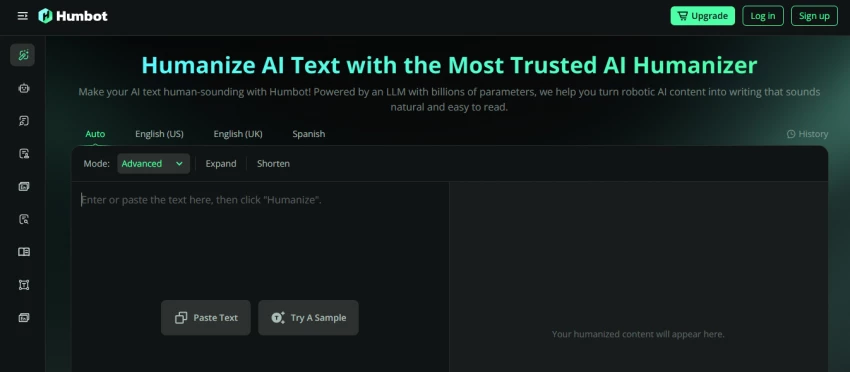
1.Drafting: Use AI to build the skeleton and research the points.
2.Refinement: Use Humbot to humanize AI drafts, ensuring the writing feels organic and personal.
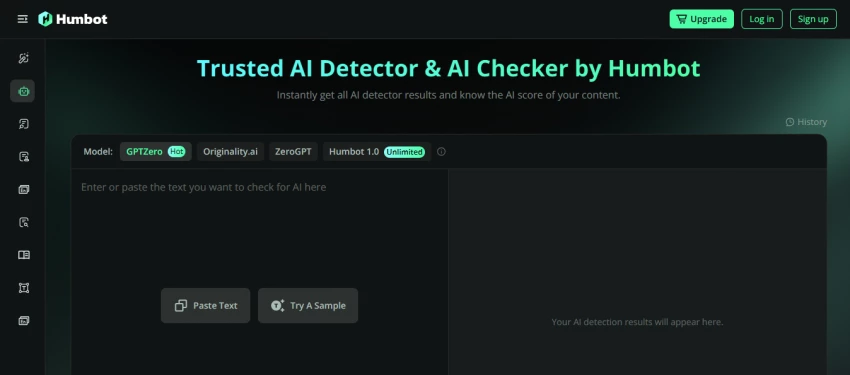
3.Verification: Pass the final version through an AI checker yourself to ensure total peace of mind before submission.

ClickFunnels is still everywhere in marketing circles, but it is no longer the d...
Grace Howard3 months ago

Managing social media today requires more than simply posting content. Brands, c...
Peter Woods3 months ago

Managing several social media accounts at the same time can quickly become compl...
Alexander Hughes3 months ago

The Platform That Refuses to DisappearVery few software download websites have m...
Noura Belkacem4 months ago

Meta has agreed to acquire Manus, a Chinese founded artificial intelligence...
John Nyarko5 months ago

In today’s fast-paced digital workplace, communication software plays a critical...
John Nyarko6 months ago
Discussion